Impact of Water Management programs in supporting the Sustainable Development Goals (SDGs)

Description:
Navoi State University of Mining and Technologies has implemented a robust and innovative water management strategy that significantly contributes to achieving the United Nations Sustainable Development Goals. Through a wide array of technical solutions, infrastructure upgrades, educational initiatives the university demonstrates a strong institutional commitment to water conservation, resource efficiency, and environmental protection. These efforts reflect a holistic approach toward sustainable campus operations, especially in the context of Navoi’s climate.
Key programs include:
• Rainwater Harvesting and Groundwater Recharge:
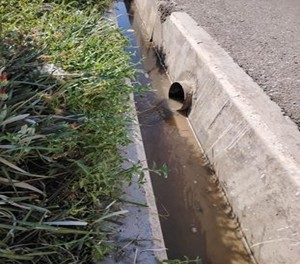
Rainwater is collected from rooftops and open surfaces and
directed into centralized storage tanks and recharge pits.
Across the university’s campuses, over 280,000 liters of
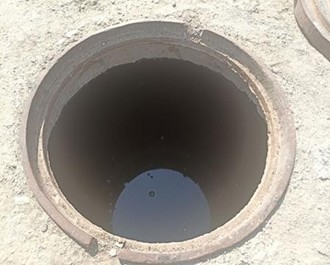
rainwater storage capacity is in place, with an additional
30,000 liters available through recharge pits. This
infrastructure supports plant irrigation and groundwater
replenishment, reducing reliance on external water sources.
• Water Recycling Systems:
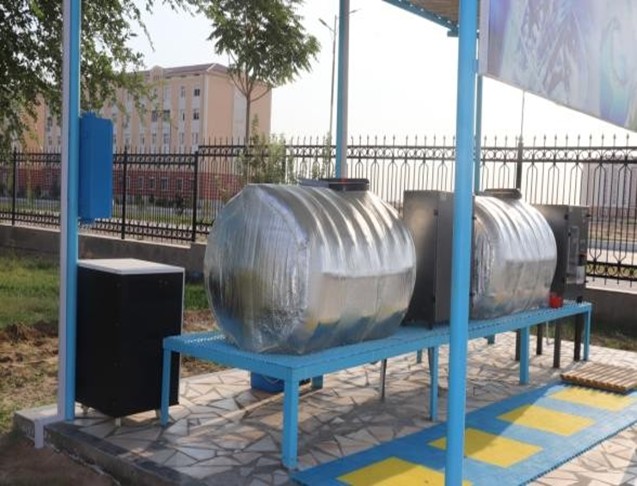
A comprehensive water recycling program reuses rainwater and
recycled groundwater (treated via solar-powered technologies
invented at the university) for non-potable applications
such as irrigation, toilet flushing, and cooling systems.
Metering systems are used to maximize efficiency.
• Water-Efficient Fixtures and Appliances:
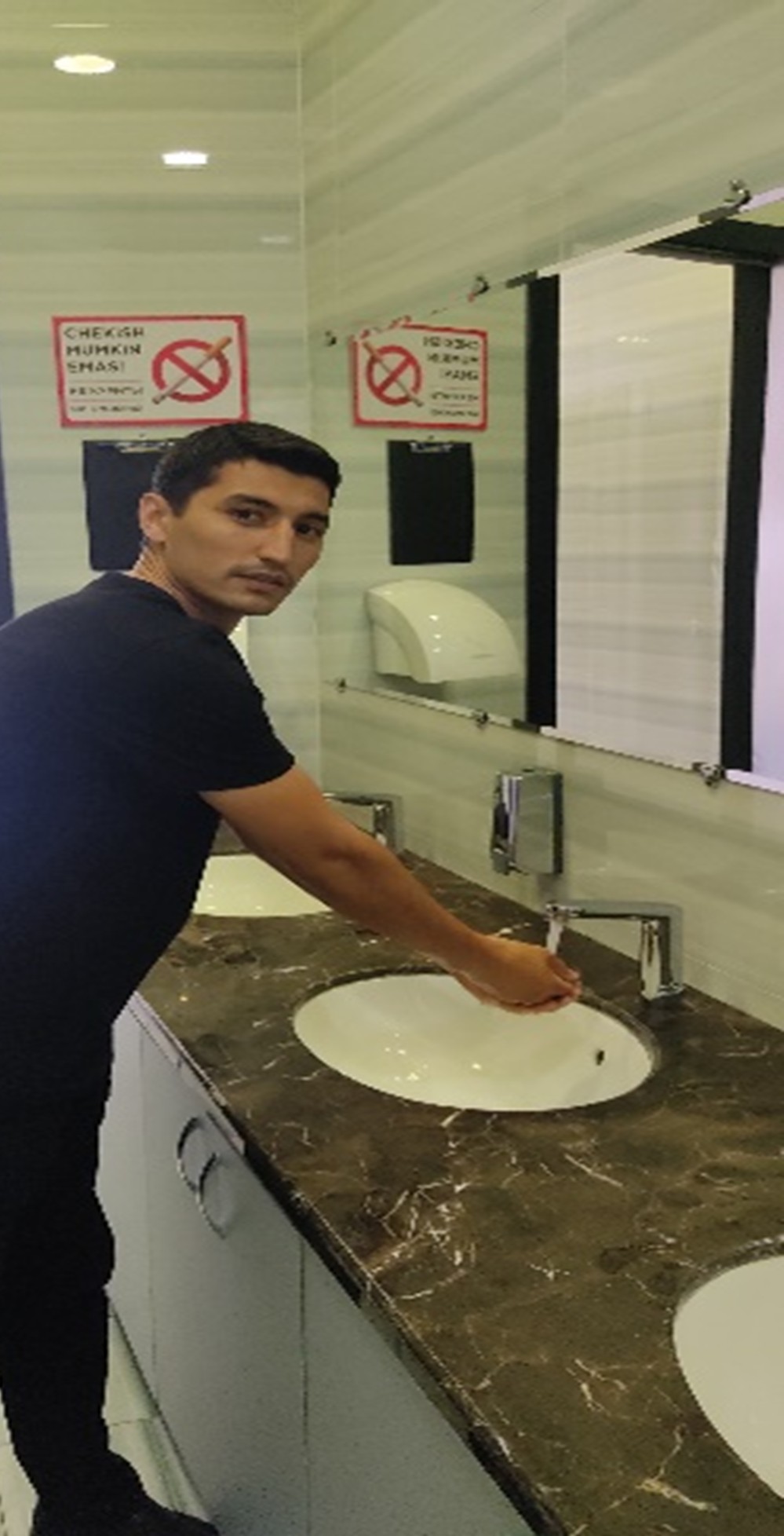
The university has outfitted its facilities with
water-saving technologies, including low-flush toilets,
low-flow taps, efficient irrigation systems, and advanced
laboratory equipment. 95% of the total water-related
appliances on campus are high-efficiency models, reducing
daily consumption.
• Treated Water Consumption:
Recycled water accounts for about 65% of total water usage
on campus, serving essential functions such as plant
irrigation and toilet flushing. This effort minimizes demand
on freshwater sources and optimizes the water cycle within
the university.
• Water Pollution Prevention:
The university enforces strict water pollution control
policies, including domestic wastewater treatment systems,
infiltration wells, and water quality monitoring. Policies
like the Zero Plastic Program and reduced paper usage aim to
minimize contamination risks. These actions protect aquatic
ecosystems and promote healthy campus water environments.
• Use of Information and Communication Technologies (ICT)
in Water Management:
The campus utilizes ICT tools for planning, monitoring, and
evaluation. Real-time water meters, analytics systems, and
digital communication platforms support data-driven
decisions and raise awareness among the university
community.
• Water Conservation Education:
The university conducts educational campaigns, workshops,
and awareness programs focused on water conservation. These
initiatives foster a sustainability-conscious culture among
students, staff and faculty.
• Sustainable Landscaping:
Landscaping on campus incorporates native and
drought-tolerant species to reduce water needs. Efficient
irrigation systems like sprinklers ensure optimal water
usage for green spaces.
These efforts directly support SDGs 3, 4, 6, 7, 9, 11, 12, 13, 14, 15, and 17, and contribute indirectly to others, including:
• SDG 3 – Supporting public health through access to
treated and recycled water for sanitation and hygiene
• SDG 4 – Promoting environmental education and
research through water conservation awareness programs
• SDG 6 – Ensuring availability and sustainable
management of water through harvesting, reuse, and efficient
infrastructure
• SDG 7 – Integrating renewable energy into water
treatment systems through solar-powered technologies
• SDG 9 – Advancing innovation and resilient
infrastructure with ICT-enabled water metering and
university-developed systems
• SDG 11 – Enhancing campus sustainability through
green landscaping, recharge systems, and pollution
control
• SDG 12 – Promoting responsible water consumption
with efficient fixtures and behavior change initiatives
• SDG 13 – Reducing climate impact through
drought-resilient, low-water-use systems and adaptive reuse
strategies
• SDG 14 – Preventing pollution of aquatic ecosystems
via wastewater treatment and zero plastic policies
• SDG 15 – Supporting terrestrial biodiversity
through sustainable irrigation and groundwater recharge
• SDG 17 – Strengthening partnerships through
collaborative water management research and technology
development