Planning, implementation, monitoring and/or evaluation of all programs related to Water Management through the utilization of Information and Communication Technology (ICT)
Water Management Program Utilizing ICT
Our commitment to sustainability extends to conserving, recycling and reusing recycled water in different spheres within our campus. Navoi State University of Mining and Technologies shows it through implementing effective water conserving strategies, initiatives, programs and policy. Our main goal is to reduce our environmental impact while aiming to build health community.
Planning
| Stage | Activities/Programs | ICT Utilization | Evidence | Timeline | Responsible Team/Department |
| Planning |
- Develop comprehensive water conservation strategy -
Analyze campus water usage data - Set measurable targets for reduction |
-Advanced water usage analytics software |
-Strategic plan documents -Analytics reports; -Target setting documentation |
Jan 2024 – Feb 2024 | Sustainability Commission, Digital Education Technologies Centre |
| Implementation |
- Install low-flow taps, toilets, and efficient
showerheads - Launch awareness campaigns - Deploy real-time water meters |
-Smart water meters -Digital awareness tools (Telegram, social media, university website) |
-Installation records -Campaign materials/screenshots -Meter deployment logs |
Mar 2024 – April 2024 | Facility Management Department, Sustainability Commission, Digital Education Technologies Centre |
| Monitoring |
- Track real-time water usage - Collect and analyze usage data |
-Real-time monitoring systems -University-developed water monitoring invention |
-Monitoring dashboards -Data analysis reports |
Ongoing |
Sustainability Commission, Digital Education Technologies Centre |
| Evaluation |
- Assess program effectiveness by comparing data vs.
targets - Prepare outcome reports |
-Data analysis tools -Feedback mechanisms |
-Program evaluation reports -Stakeholder feedback -Comparison charts |
Annually evaluated |
Sustainability Commission, Digital Education Technologies Centre |
1. Strategy Development: We have developed a comprehensive water conservation strategy that includes clear objectives and measurable targets for water savings. This strategy outlines specific actions, responsible parties, and timelines for implementation.
2. Data Analysis: We use advanced water usage analytics software to analyse current water consumption patterns across the campus. This software helps us identify areas with high water usage and potential opportunities for savings.
3. Target Setting: We set specific, measurable targets for reducing water consumption based on our analysis. These targets are realistic and aligned with our overall sustainability goals.
Implementation
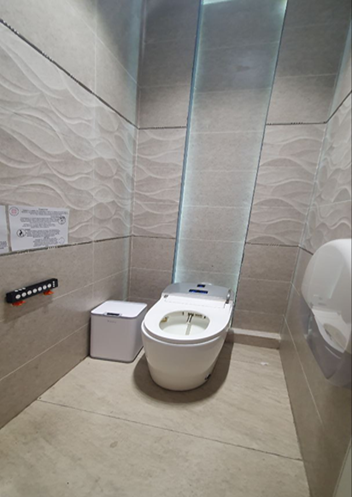
1. Installation of Water-Saving Fixtures:We have installed water-saving fixtures, such as low-flow taps, toilets, and efficient showerheads, throughout the campus. These fixtures are in all relevant facilities, including dormitories, academic buildings, and administrative offices.
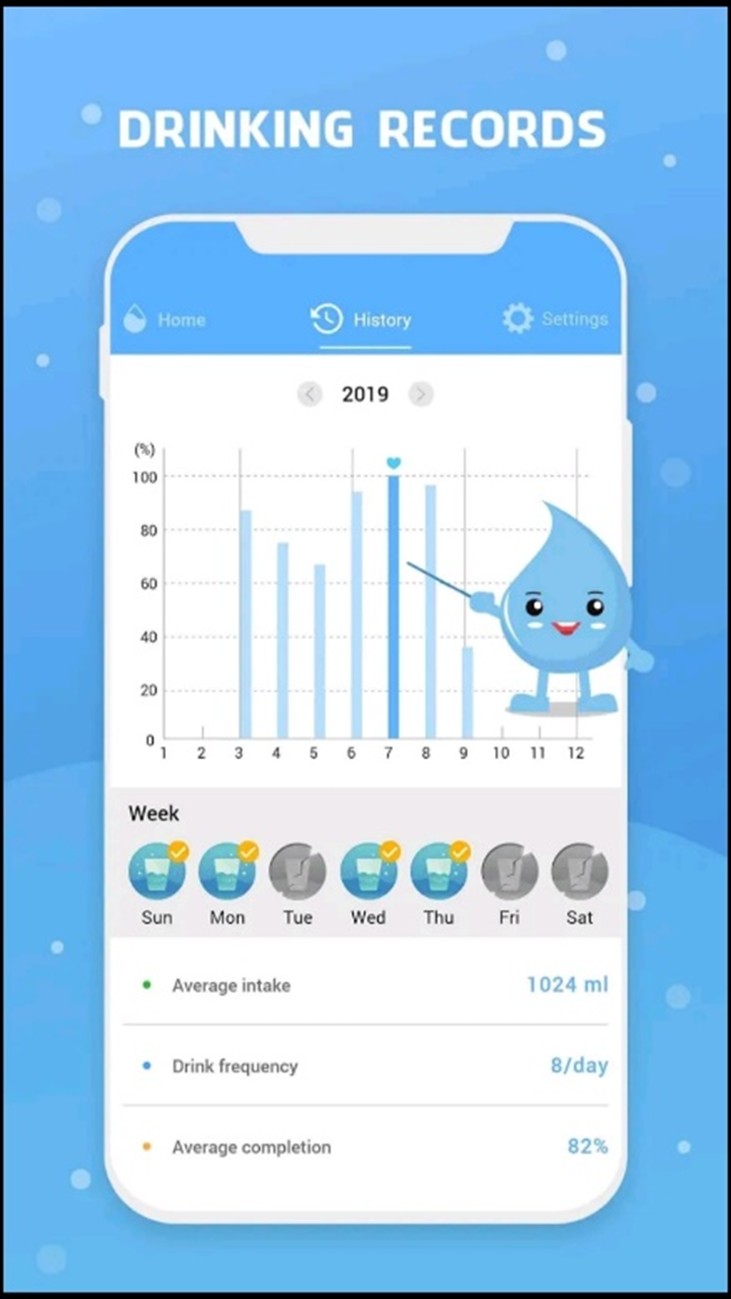
2. Promotion of Awareness: We launched educational campaigns to promote water conservation awareness among students, staff, and faculty. We use digital platforms such as Telegram channels, social media, and the campus website to disseminate information and engage the community.
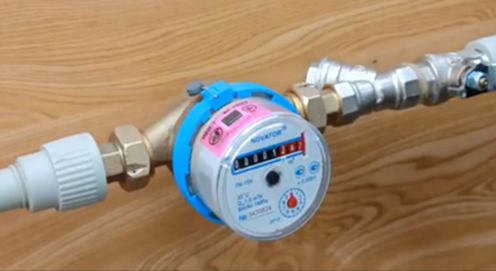
3. Water Meter Deployment: We have installed water meters that provide real-time data on water usage. These meters help us track consumption patterns, detect leaks, and identify areas for improvement.
Monitoring
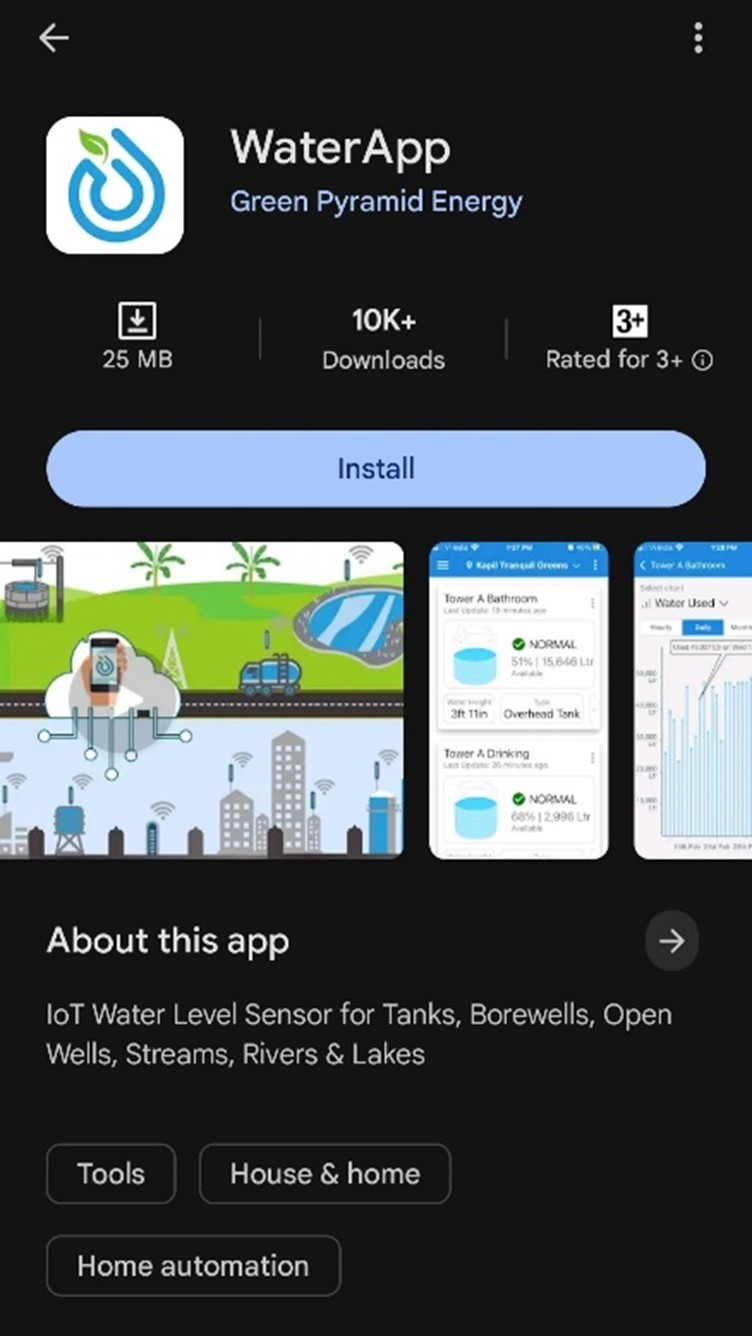
1. Real-Time Tracking:We use real-time monitoring through water meters and our university`s invention to continuously track water usage across campus. This process provides instant insights into water consumption trends and helps us identify any anomalies or areas where conservation measures may need adjustment.
2. Data Collection: We regularly collect data from meters and other monitoring devices. We analyse this data to evaluate the effectiveness of water-saving measures and make adjustments as needed.
Evaluation
1. Effectiveness Assessment: We assess the effectiveness of our water conservation programs by comparing actual water usage data with the targets we set during the planning phase. We evaluate whether the implemented measures have achieved the desired results.
2. Reporting and Feedback: We prepare detailed reports on the outcomes of our water conservation programs.