Water-Efficient Appliances Usage
All the restrooms at university were equipped with advance water efficient tools. Our campus has implemented various water-efficient appliances to reduce water consumption and promote sustainability. These appliances are installed across campus facilities, contributing significantly to our overall water conservation goals. Examples include:
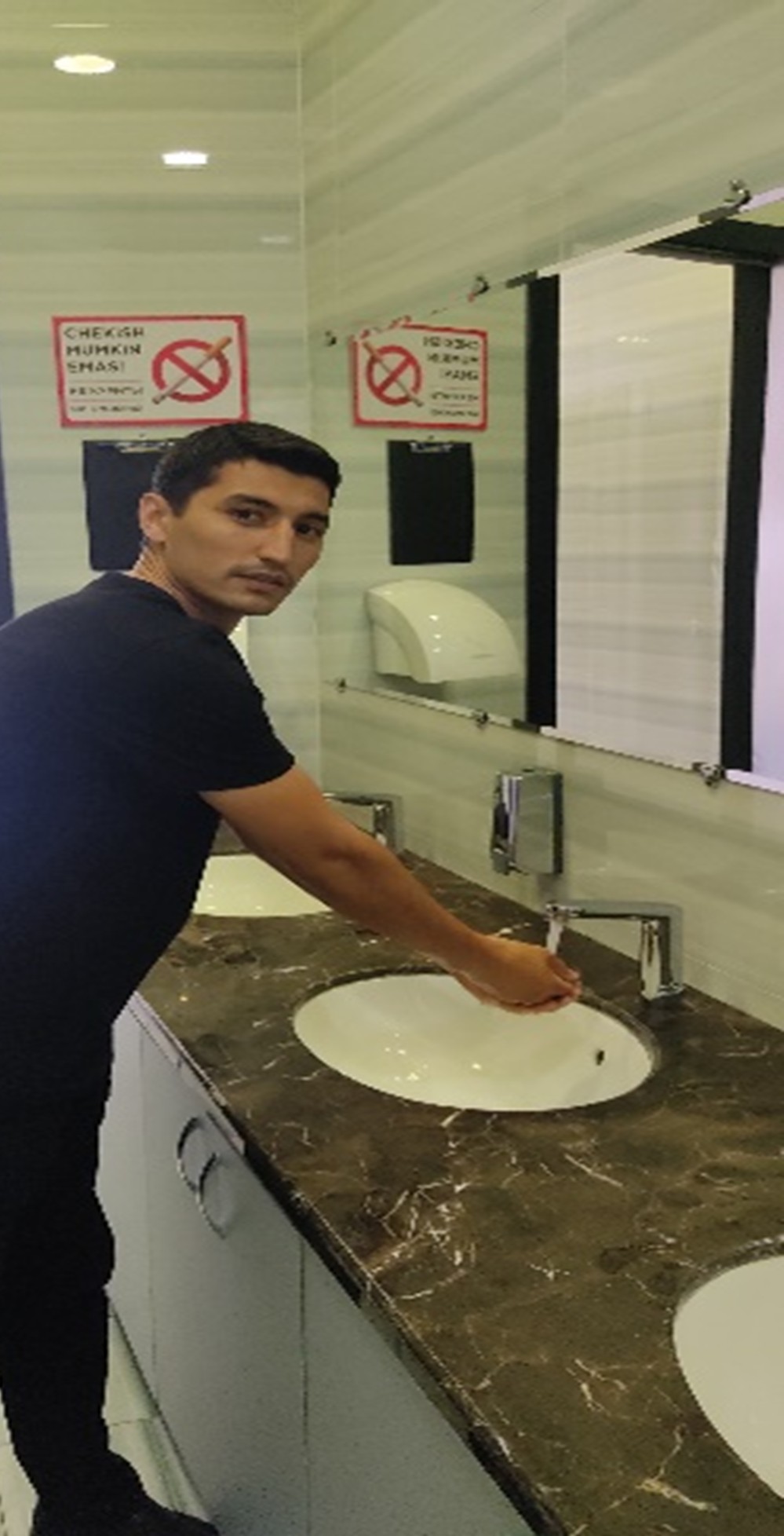
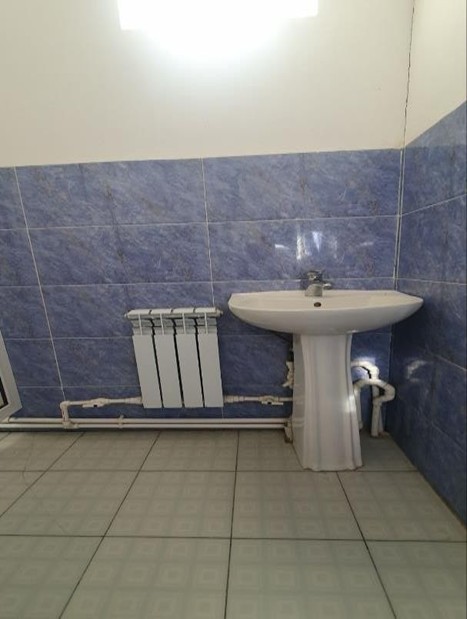
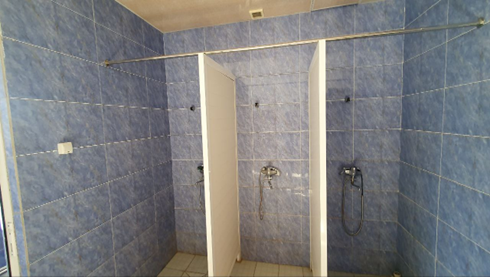
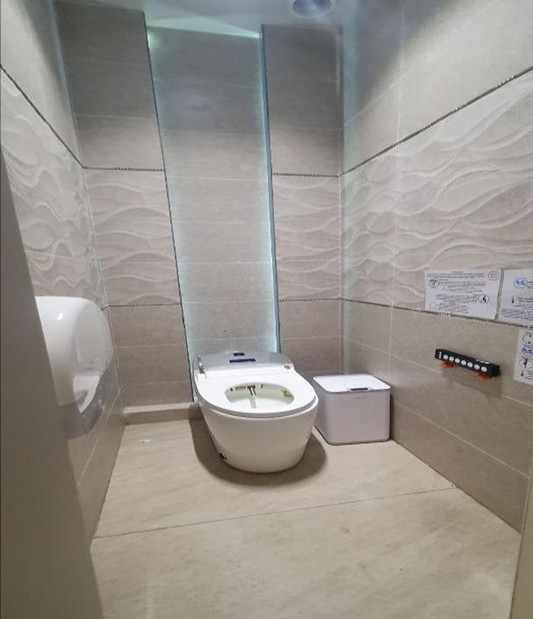
Water efficient appliances at NSUMT
•Low-Flush Toilets (WCs): most of our toilets are
equipped with low-flush systems, ensuring that water usage
per flush is minimized;
•Low-Flow and Automatic Taps: to further conserve
water, low-flow taps and sensor-activated automatic taps
have been installed in restrooms and laboratories, reducing
the amount of water used during handwashing;
•Dishwashers
(in dining halls, kitchens, or labs): water-efficient
dishwashers use less water per cycle, reducing overall
consumption;
•Laboratory Equipment: in science labs, some
equipment uses water-efficient technologies, like
recirculating water pumps instead of single-use systems;
•Irrigation Systems: efficient landscape irrigation
systems, like drip irrigation or weather-based controllers,
ensure water is used wisely in campus gardens;
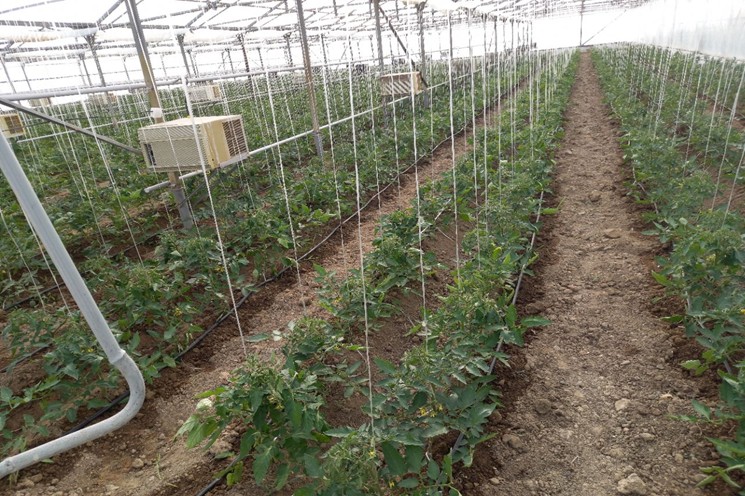
•Drip irrigation system: the system has been
implemented in the greenhouse to water crops and plants. It
uses rainwater collected in the university's reservoirs for
irrigation purposes;
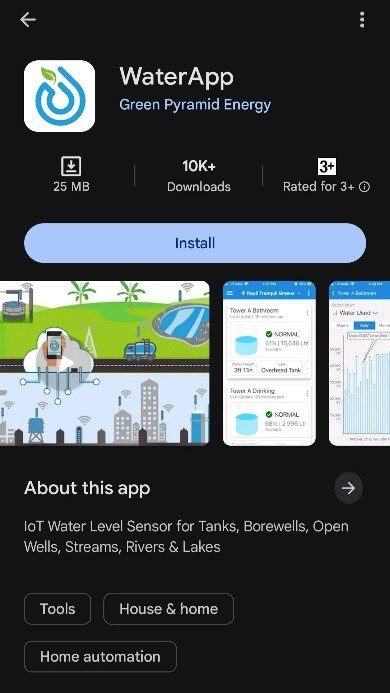
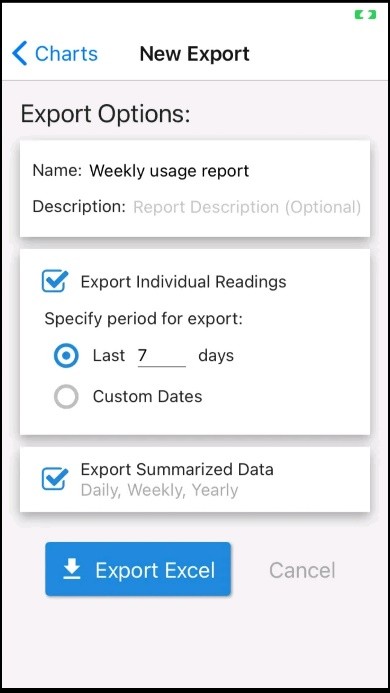
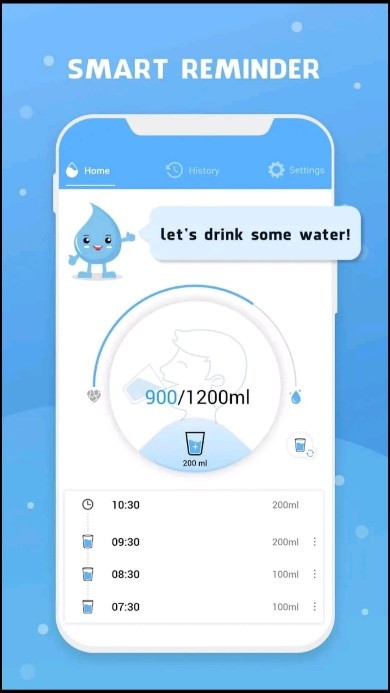
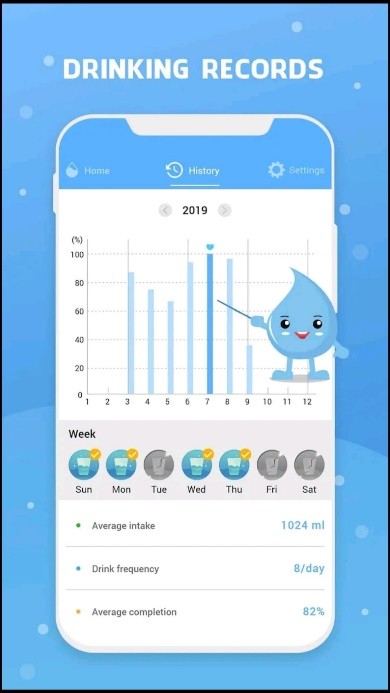
•Smart apps used by university staff: university
staff monitor water consumption and promote efficient water
usage through various smart applications. These applications
are widely used by staff in their daily lives. For example,
apps such as Water Reminder – Remind Drink, Water Tracker,
and WaterApp encourage water conservation, responsible
usage, and help prevent unnecessary water waste.
Additionally, these applications contribute to human health
by providing guidance on the appropriate amount and timing
of water intake, as well as offering daily monitoring
features.
| Appliance | Total Number | Total Number of Water-Efficient Appliances | Percentage |
| Low-Flush Toilets (WCs) | 250 | 250 | 100 % |
| Low-Flow and Automatic Taps | 150 | 150 | 100 % |
| Laboratory Equipment | 60 | 40 | 67 % |
| Irrigation Systems | 8 | 6 | 75 % |
| Total | 468 | 446 | 95 % |
The university continued upgrading its water-efficient infrastructure in 2025. Compared to 2024, a significant number of conventional appliances were replaced with water-efficient alternatives. As a result, all 250 low-flush toilets (WCs) and all 150 low-flow and automatic taps became water-efficient, increasing their coverage from 64% to 100% and from 73% to 100%, respectively. The proportion of water-efficient laboratory equipment (67%) and irrigation systems (75%) remained unchanged. Consequently, the overall average percentage of water-efficient appliances across the university increased to 95% in 2025, reflecting the university's strong commitment to water conservation and sustainable resource management.
As part of the development of tools for the efficient use
and conservation of water, scientists from the Electro
Energetics Department and students of the university have
developed the project titled "Autonomous Control System for
Individual Hot Water Supply". This device has been developed
locally for the first time and allows for remote control of
the hot water supply system used for heating buildings
during the winter season, thereby enabling water
conservation maximally. Furthermore, the device is being
supplied to various higher education institutions as a
laboratory tool for use in the educational process.
https://t.me/ndktu_rasmiy/14677