Inorganic Waste Treatment
Inorganic waste treatment at Navoi State University of Mining and Technologies
Description
Inorganic Waste Management at Our University
At Navoi State University of Mining and Technologies, we prioritize sustainability and proper waste management through a comprehensive inorganic waste treatment program. This initiative focuses on effective sorting, recycling and processing of waste to minimize environmental impact and promote eco-friendly practices across campus.
Waste Sorting Initiative
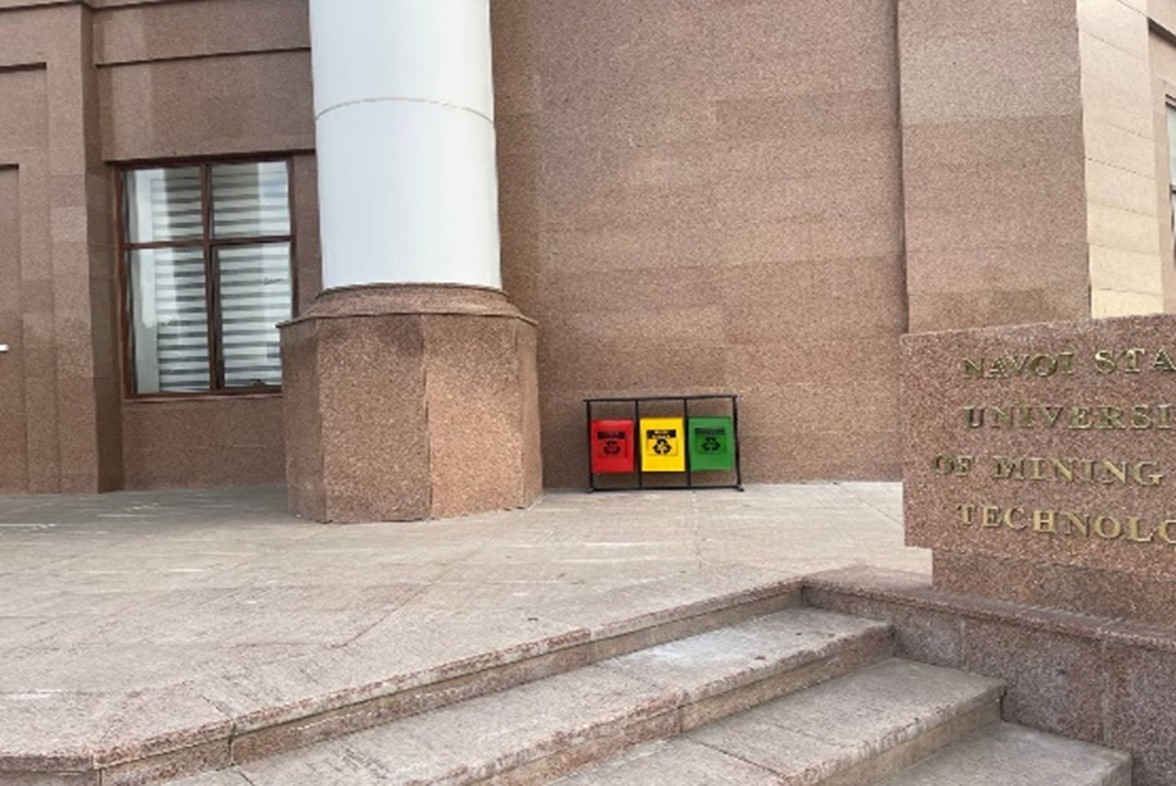
To streamline waste management, clearly labeled bins for different types of waste, including metal, glass, plastic, paper, food, and organic matter are strategically placed throughout the university. This system encourages students, staff, and visitors to dispose of waste correctly at the source, ensuring efficient separation for further treatment.
Recycling and Treatment Process
Once collected, inorganic waste is directed to appropriate 3R (Reduce, Reuse, Recycle) programs based on material type. In 2025, 90% of all inorganic waste generated was successfully treated through a combination of reduction, reuse, recycling, downcycling, and upcycling strategies.
Specific accomplishments include:
Our waste treatment strategy emphasizes reduction, reuse,
downcycling, and upcycling:
Reduction:
We have successfully reduced 1 ton of soft plastic, 3 tons of hard
plastic and 1 ton of other waste in 2025 (96 tons in total)
compared to 2024 (100 tons).
Reuse:
We have reused 33 tons of paper, 13 tons of soft plastic, 11 tons
of hard plastic and 3 tons of glass/metal.
Downcycling:
About 17 tons of paper were downcycled into toilet paper and draft
documentation paper. Additionally, 8 tons of soft plastic and 5
tons of hard plastic were downcycled.
About 3 tons of metal and glass, 1 ton of hard plastic, 1 ton of soft plastic and 1 ton of paper were upcycled by university with the help of local companies into high-quality materials for use in construction. The university focuses on up-cycling inorganic waste by producing construction materials and equipment for laboratories.
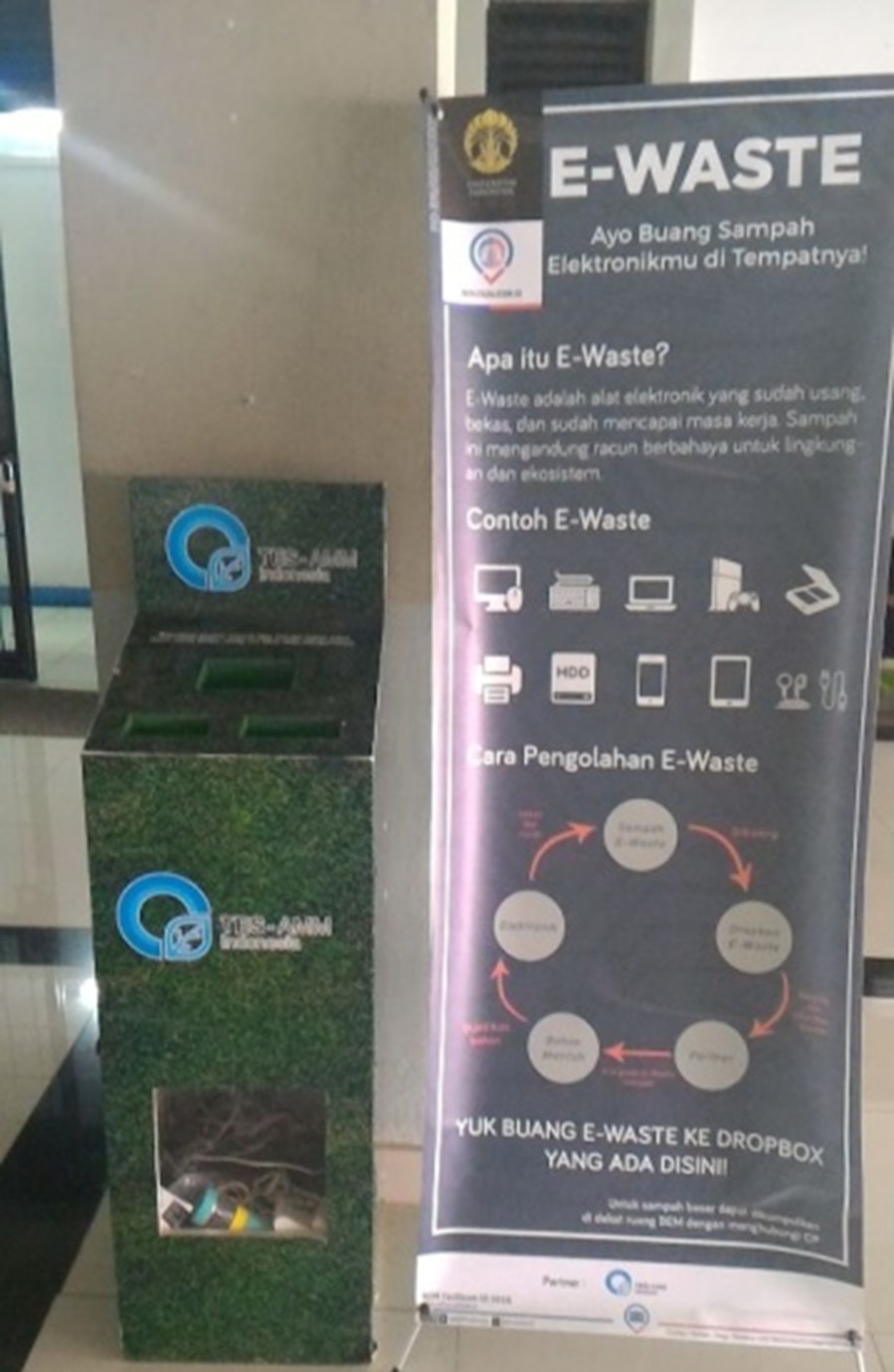
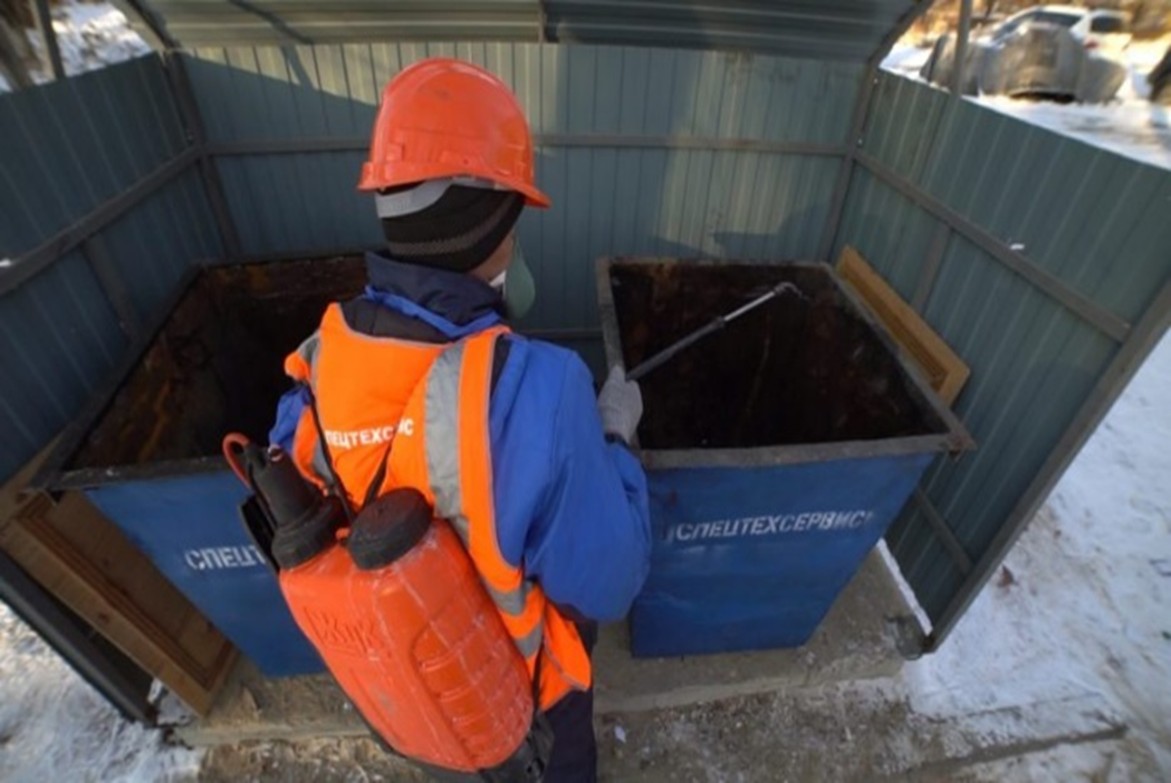
The university actively collaborates with local recycling centers to ensure that all recyclable materials, for example, paper, plastic, metal, and glass are processed responsibly. Special procedures are also in place to safely neutralize hazardous inorganic waste, preventing environmental harm.
Sustainable Impact
Through these combined efforts, 100% of inorganic waste was effectively treated in 2025. By integrating upcycling, recycling, and responsible disposal into campus operations, our university significantly reduces its environmental footprint while fostering a culture of sustainability and environmental responsibility.