Planning, implementation, monitoring and/or evaluation of all programs related to Setting and Infrastructure through the utilization of Information and Communication Technologies (ICT)
| Stage | Activities/Programs | ICT Utilization | Responsible Team/Department | Evidence | Timeline |
| Planning | Creating a smart campus infrastructure strategy | Usage of Building management and Construction management software: Autodesk AutoCAD | Projects, drafts, feasibility studies | Jan 2024- Dec 2024 | Digital Education Technologies Centre, Sustainability Commission, Facility Management Department |
| Implementation | Installing smart classroom technology, smart library system, face recognition sensors, software use for automation of routine tasks for administrative staff (EDO); use of software for academic staff and students for learning and teaching patterns (Hemis) | Use of Software EDO, Hemis; Use of interactive whiteboards, fire detectors, smart security system, | Purchase orders | Jan 2024- Dec 2024 | Digital Education Technologies Centre, Facility Management Department |
| Monitoring | Centralized monitoring system (EDO) | Use of EDO for monitoring purposes | Reports from the Department of Monitoring | Jan 2024-ongoing | Department of Monitoring |
| Evaluation | Evaluation of ICT use on teaching, learning and administrative process through online questionnaire | Surveys, online questionnaires | Survey results | Annually evaluated | Digital Education Technologies Centre |
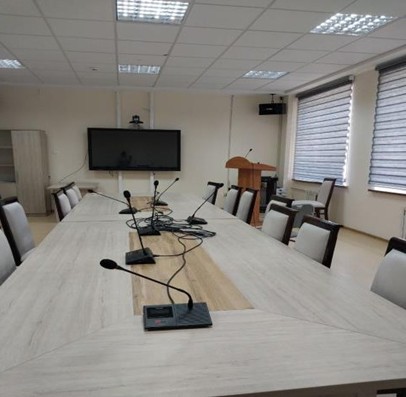
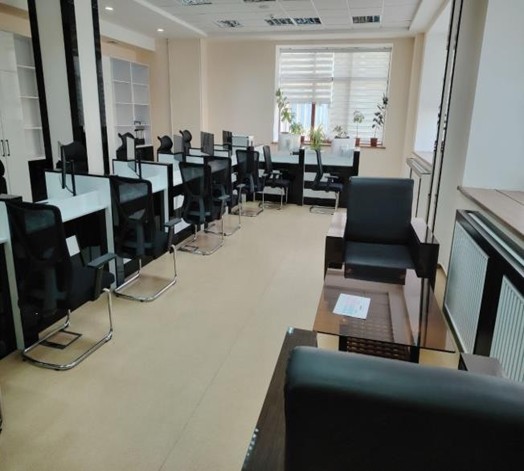
Installation of smart classroom technologies
Description
Planning: Development of a digital campus master plan
Planning for Creating a Smart Campus Infrastructure Strategy
Creating a smart campus infrastructure strategy involves a
comprehensive approach to integrate modern Information and
Communication Technology (ICT) solutions across campus
facilities. The goal is to enhance operational efficiency,
sustainability, and user experience for students, faculty,
and administrative staff. Activities/Programs: Development
of a Smart Campus Infrastructure Strategy
1. Needs Assessment and Vision Setting:
Action Steps:
Conduct online surveys, focus groups, and interviews with
the university community, including students, faculty,
administrative staff.
Analyze existing campus facilities, energy consumption,
space utilization, safety measures, and accessibility.
Define the objectives of the smart campus strategy, such as
energy efficiency, sustainability, improved safety, enhanced
user experience, and efficient space management. Outcome: A
comprehensive report outlining the current state of the
campus and a vision statement for the smart campus.
2. Feasibility Studies:
Objective: Assess the feasibility of different smart campus
solutions. Action Steps:
Perform feasibility studies to evaluate the technical,
economic, and environmental viability of smart
infrastructure projects (e.g., smart lighting, smart
security systems, smart ventilation system, Free Wi- Fi
zone).
Outcome: A prioritized list of smart infrastructure
projects, accompanied by feasibility studies.
3. Drafting the Smart Campus Master Plan:
Objective: Develop a master plan that integrates various
smart campus projects into a strategy.
Action Steps:
Utilize Building Management Software (e.g., Autodesk
AutoCAD) to create drafts, and 3D models of proposed
infrastructure changes.
Plan the layout of smart infrastructure components, such as
smart sensors, and centralized control systems.
Outcome: A digital master plan with timelines for phased
implementation, and a resource allocation plan.
Project Management Software (e.g., Microsoft Project,
Autodesk AutoCAD):
Facilitates the planning and scheduling of project tasks,
resource allocation, timeline management. Supports
collaboration among different teams involved in the smart
campus strategy, ensuring smooth coordination and
communication.
Evidence: Projects, Drafts, Feasibility Studies
Projects: Detailed project plans outlining the scope,
objectives, timelines, and resources required for each smart
campus initiative. Drafts: 3D models created using BIM tools
like Autodesk AutoCAD, showing proposed infrastructure
changes.
Feasibility Studies: Comprehensive reports that assess the
technical, economic, and environmental viability of smart
campus projects Timeline: January 2024 - December 2024
(Ongoing Monitoring and Updates)
Responsible Team/Department: Digital Education Technologies
Centre, Sustainability Commission, Facility Management
Department
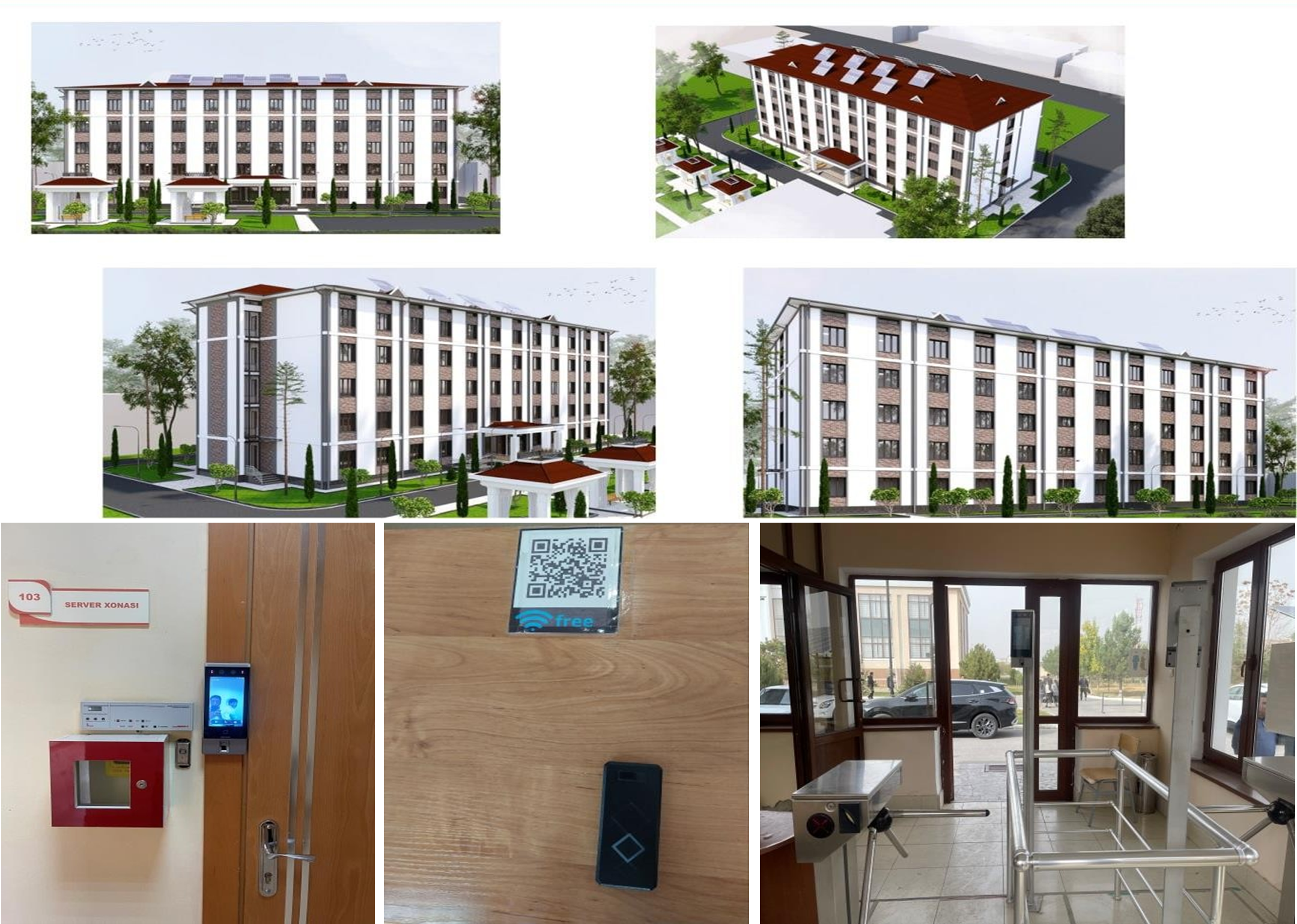
Implementation: Installation of smart classroom
technologies
• Activities/Programs: The installation of advanced tools
like interactive whiteboards and face recognition sensors in
classrooms. Smart library system automates library
management, including book checkouts, returns, improving
efficiency. Moreover, EDO software streamlines routine
administrative tasks. This includes document management,
task and meeting scheduling. Besides, University has a
separate system for students and academic staff – Hemis.
Hemis is a software platform for managing and improving
academic patterns, including tracking student progress and
communication between students and teachers.
• ICT Utilization: Interactive whiteboards, online meeting
systems (ZOOM, Microsoft Teams), fire detectors, smart
security systems, licenses for software’s like EDO and Hemis
are bought and installed.
• Evidence: Purchase orders could be used as evidence.
• Timeline: January 2024-December 2024
• Responsible Team/Department: Digital Education
Technologies Centre, Facility Management Department
Monitoring: Regular audits of network infrastructure and
classroom technology usage
• Activities/Programs: The EDO (Electronic Document
Management System) is used as a centralized platform to
monitor activities and programs across the institution. It
serves as a hub where data is collected, processed, and
analyzed to track progress, identify issues, and ensure
compliance with institutional goals and standards.
• ICT Utilization: The EDO system is specifically employed
for monitoring purposes, showcasing the institution’s
commitment to leveraging ICT tools for effective governance
and management
• Evidence: The Department of Monitoring is responsible for
generating reports from the data collected through the EDO
system.
• Timeline: January 2024 - ongoing
• Responsible Team/Department: Department of Monitoring
Evaluation: Assessment of ICT impact on teaching and
learning outcomes
• Activities/Programs: The core activity is the evaluation
of ICT use in various domains such as teaching, learning,
and administration.
• ICT Utilization: The primary methods for conducting this
evaluation are surveys and online questionnaires (Google
forms and etc.). These tools are used to gather feedback
from such as students, teachers, and administrative staff.
• Evidence: The evidence generated from this evaluation
process will come in the form of survey results.
• Timeline: Ongoing (annually evaluated)
• Responsible Team/Department: Digital Education
Technologies Centre