Impact of Energy and Climate Change programs in supporting the Sustainable Development Goals (SDGs)
Description:
Navoi State University of Mining and Technologies (NSUMT)
has taken substantial steps toward reducing carbon
emissions, enhancing energy efficiency, and integrating
renewable energy across its campus. These initiatives
directly support the UN Sustainable Development Goals
(SDGs), particularly SDG 7 (Affordable & Clean Energy), SDG
9 (Industry, Innovation & Infrastructure), SDG 11
(Sustainable Cities & Communities), SDG 12 (Responsible
Consumption & Production), and SDG 13 (Climate Action).
Indirectly, they also contribute to SDG 3 (Good Health &
Well-being), SDG 4 (Quality Education), SDG 15 (Life on
Land), and SDG 17 (Partnerships for the Goals). By
installing over 772 solar panels, deploying windmills,
implementing green building standards, promoting sustainable
mobility, and launching innovative academic programs, NSUMT
is positioning itself as a national leader in climate
resilience and energy transition.
Key Achievements & Programs
Energy Efficient Appliances Usage
• 100% LED lamp replacement (14,814 units).
• 96.8% of air conditioners, 83.5% of PCs, 100% of smart
boards and printers are energy efficient.
• Infrastructure designed to maximize natural sunlight.
• University operates its own renewable energy sources
(solar+wind).
SDG Alignment: SDG 7, 12, 13.
Smart Building Implementation
• Smart systems installed across 51,628 m² of university
buildings.
• Building Management Systems (BMS) monitor energy, water,
lighting, and indoor environments.
SDG Alignment: SDG 9, 11, 13.
Renewable Energy Sources in Campus
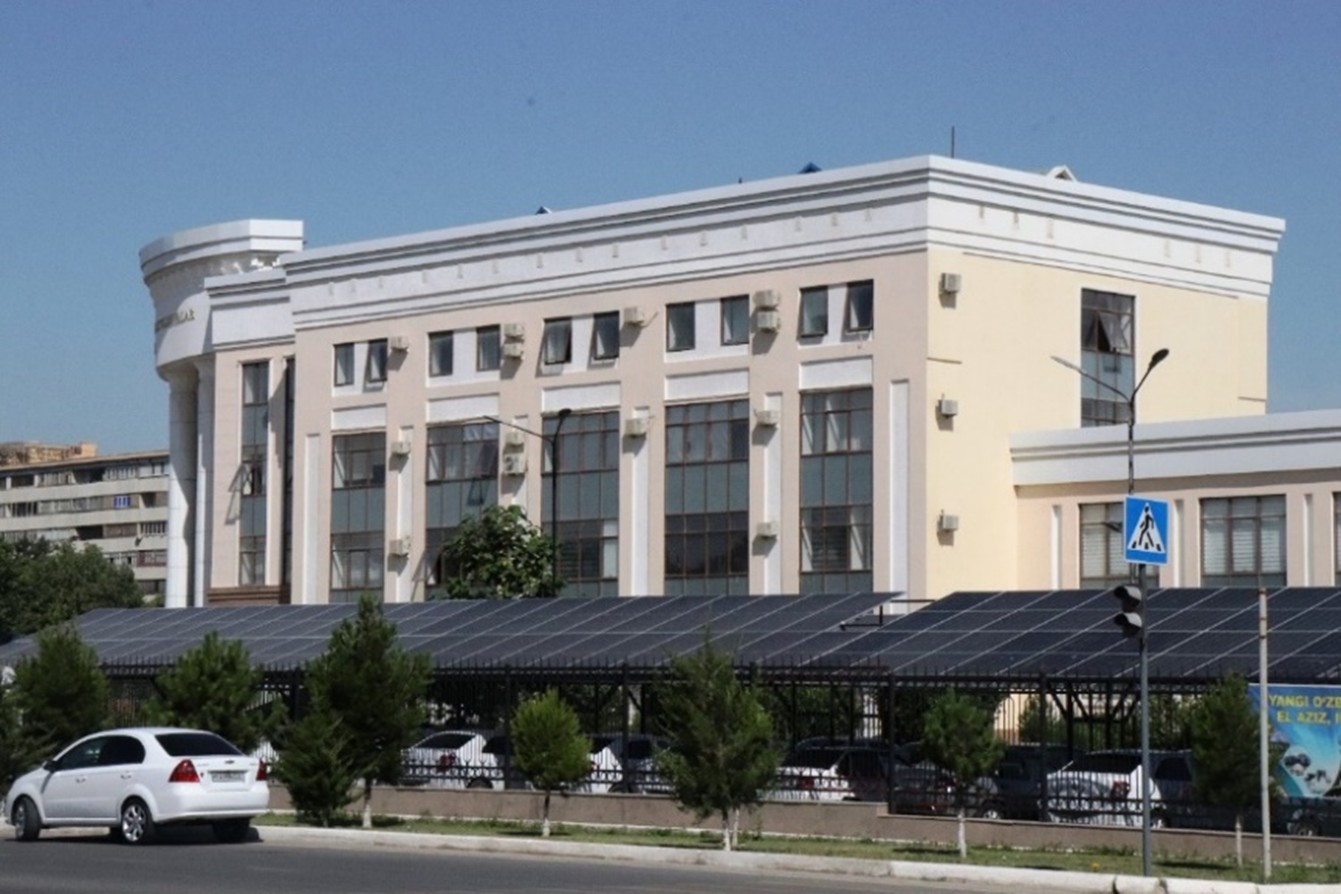
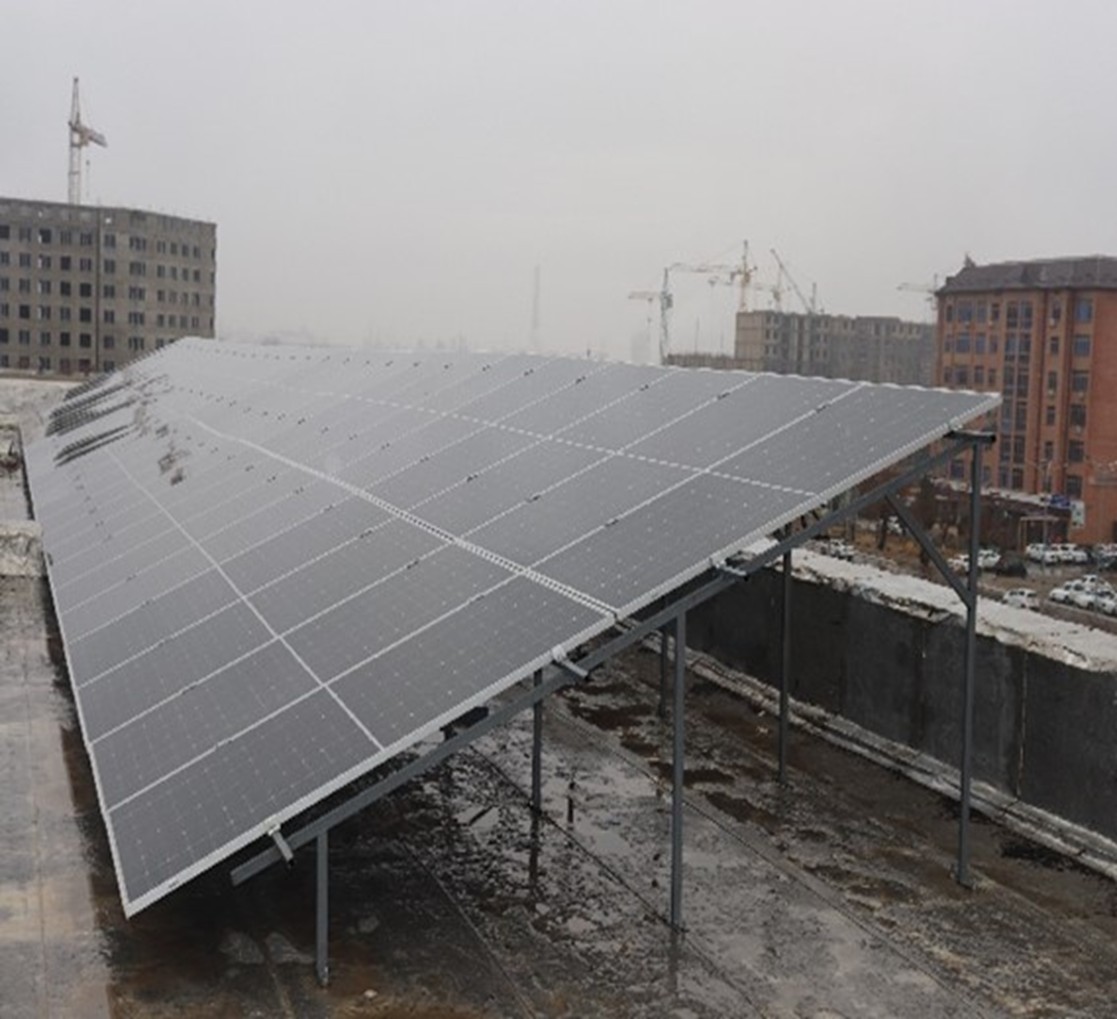
• 772 solar panels with a capacity of 509 kWh.
• Annual production in 2025: 570,000 kWh (solar) + 1,314 kWh
(wind).
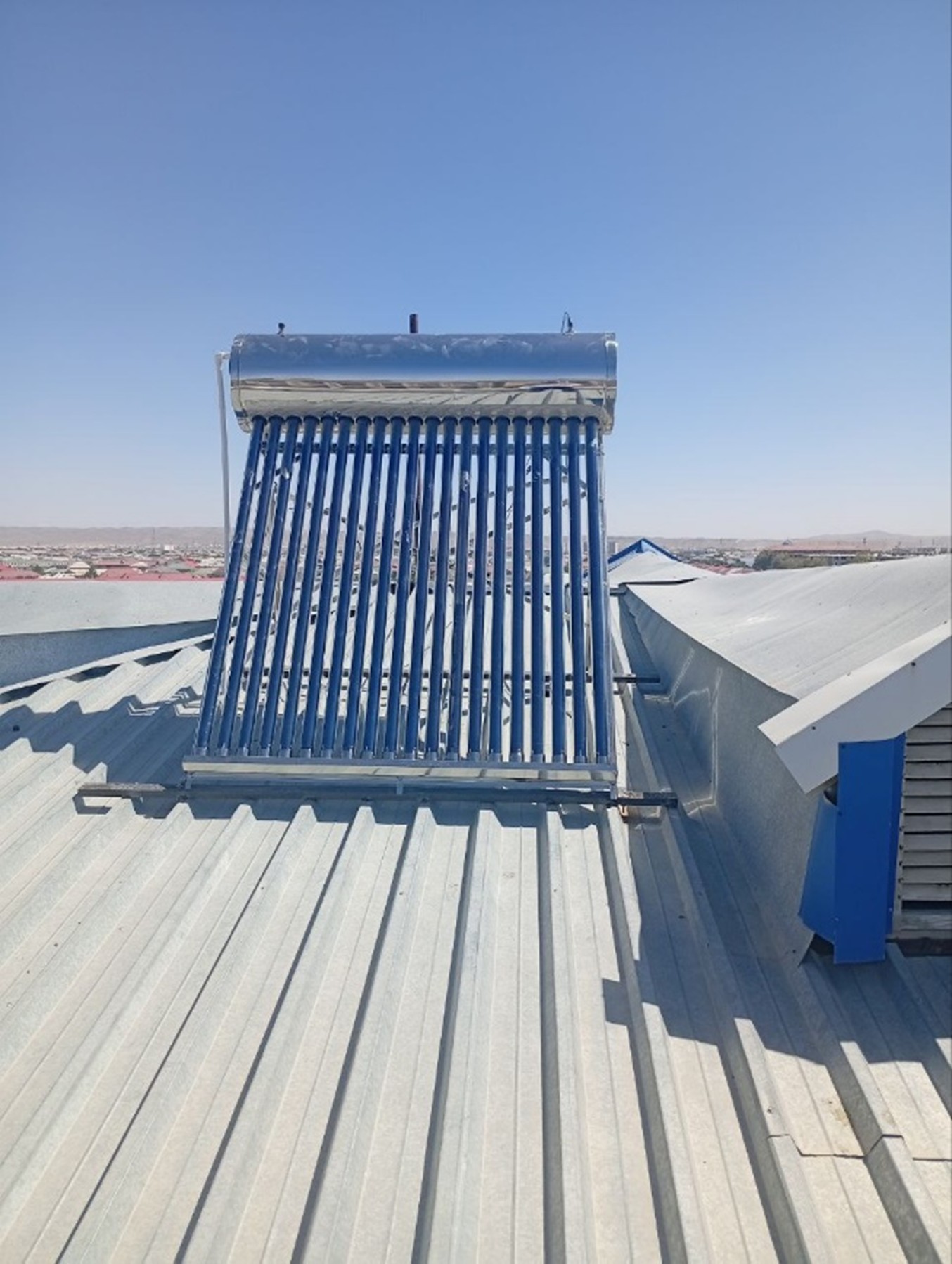
• Solar water heaters & geo power collectors provide heating
and hot water.
• Entire university heating system powered by renewable
technologies.
SDG Alignment: SDG 7, 9, 13.
Electricity Usage per Year
• Electricity consumption reduced from 700,000 kWh (2017) to
540,000 kWh (2025).
• Reduction driven by renewable energy deployment and
efficiency measures.
SDG Alignment: SDG 7, 12, 13.
Renewable Energy Ratio
• In 2025, renewable energy production (571,314 kWh)
exceeded total usage (540,000 kWh).
• University achieved energy self-sufficiency (105.8%).
SDG Alignment: SDG 7, 13.
Green Building Implementation
• Natural ventilation systems.
• Daylight integration for energy savings.
• Green spaces and reforestation efforts on campus.
SDG Alignment: SDG 9, 11, 15.
Greenhouse Gas Reduction Program
• Paid parking policies reduce private vehicle use.
• Shuttle buses available; motorcycles restricted.
• Renewable energy reduces reliance on fossil fuels.
SDG Alignment: SDG 11, 12, 13.
Carbon Footprint Measurement
• Total CO2 emissions (2025): 458.7 metric tons.
• Major contributors: electricity (453.6 t), cars (3.9 t).
• Significant reduction compared to earlier years.
SDG Alignment: SDG 13.
Innovative Programs in Climate & Energy
• Renewable energy (solar, wind, solar water heaters).
• Green hydrogen research.
• Eco-Mining Master’s Program (EMINReM).
• Dust/drought-resistant plant programs.
• International climate conferences.
SDG Alignment: SDG 7, 9, 13, 17.
Impactful University Programs
• Eco-Mining Master’s Program (EMINReM): international
partnership with 10 universities.
• Dust/drought-resistant plants research in industrial areas
of Navoi.
• Green Space Initiative: nationwide tree planting.
• Greenhouse & reservation field for sustainable agriculture
research.
SDG Alignment: SDG 4, 9, 13, 15, 17.
ICT in Energy & Climate Programs
• GIS mapping & simulation for renewable feasibility
studies.
• BIM for natural daylight and ventilation design.
• Real-time monitoring of renewable energy (570,000 kWh
solar + 1,314 kWh wind in 2025).
• Smart meters track energy usage.
• Carbon footprint calculated annually using ICT.
SDG Alignment: SDG 9, 12, 13.
Through renewable energy adoption, smart building systems,
innovative research, and ICT-driven monitoring, NSUMT has
achieved significant progress in advancing climate action
and energy efficiency. By becoming energy self-sufficient
and fostering innovation in eco-mining, green hydrogen, and
sustainable agriculture, the university directly supports
the SDGs while contributing to Uzbekistan’s national
sustainability agenda. These efforts directly support SDGs
3, 4, 7, 9, 11, 12, 13, 15, and 17, and also contribute
indirectly to others.