Navoi State University of Mining and Technologies intends to
further realize energy savings by prioritizing energy
management. All parts of the organization can assess and
monitor their own energy consumption and realize their own
energy-saving potential by means of insulation, LED lighting
and the deployment of sustainable technologies. The
university has developed a comprehensive strategy to reduce
energy consumption across its campus.
Key measures include:
1. Energy Monitoring: the university conducts regular
assessments to identify areas of excessive energy use and
takes corrective measures.
2. Use of energy-efficient appliances:
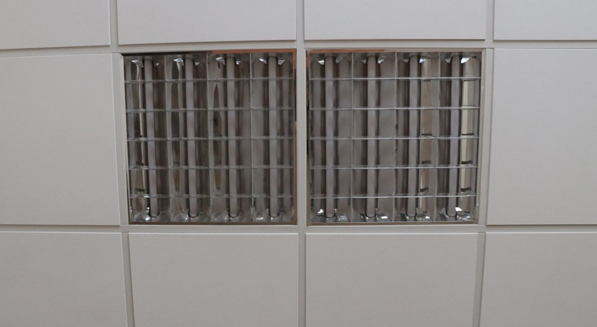
- LED Lighting: All university buildings (100% coverage) are
equipped with 14,814 energy-efficient LED lamps, reducing
overall electricity consumption.
- Energy-Saving Air Conditioners: 100 in total of air
conditioning units have been installed, which 96.8% of air
conditioners are energy-saving models.
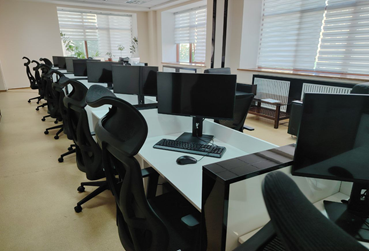
- Energy-Efficient Computers: out of the total computer
systems, 83.5% (716 units) are energy-efficient, further
contributing to reduced power usage.
- Energy-Efficient Smartboards and Printers: the university
has 65 smartboards and 106 printers in total, which 100% of
them are energy-saving models.
| Appliances | Total Number | Total number energy Efficient appliances | Percentage |
| LED Lamp | 14814 | 14814 | 100 % |
| Air conditioners | 161 | 156 | 96.8 % |
| PC computers | 911 | 761 | 83.5 % |
| Smart boards | 65 | 65 | 100 % |
| Printers | 106 | 106 | 100 % |
| Average | 96% | ||
3. Renewable Energy Sources:
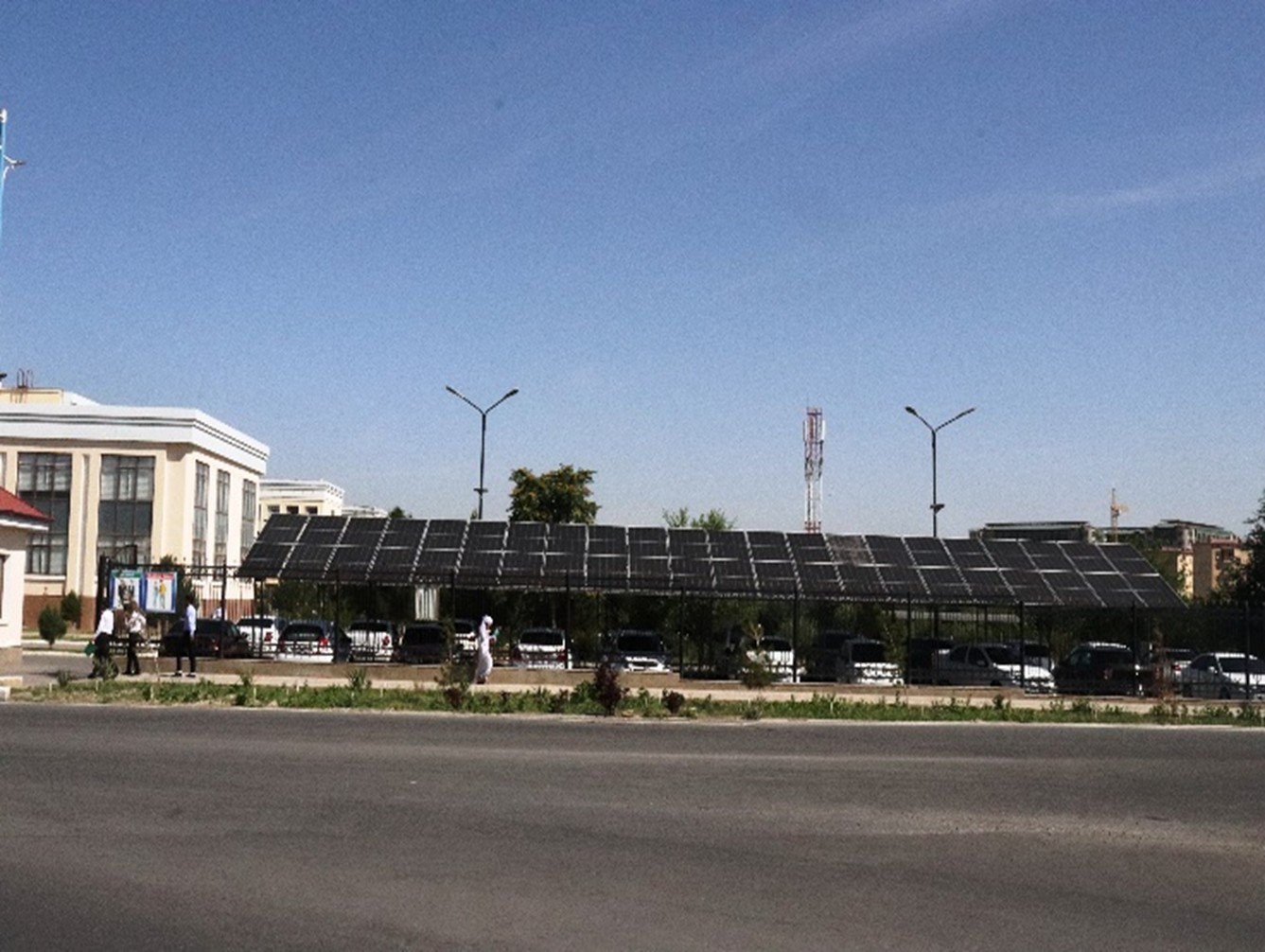
- Solar Panels: the university harnesses the abundant
sunlight in Navoi’s climate to generate electricity through
solar panels. Solar panels are installed on the roofs of the
campus buildings, dormitory, library, sports hall and car
park.
- Wind Mills: wind energy is also generated in smaller
amount, with windmills converting the natural wind into
power.
- Solar water heater technologies have been installed on the
rooftops of all buildings. The system generates electricity
and convert cold water into hot water using thermal energy
from the sun.
- Geo power collector technologies have been implemented in
the ground areas. The system generates electricity using
thermal energy from the sun.
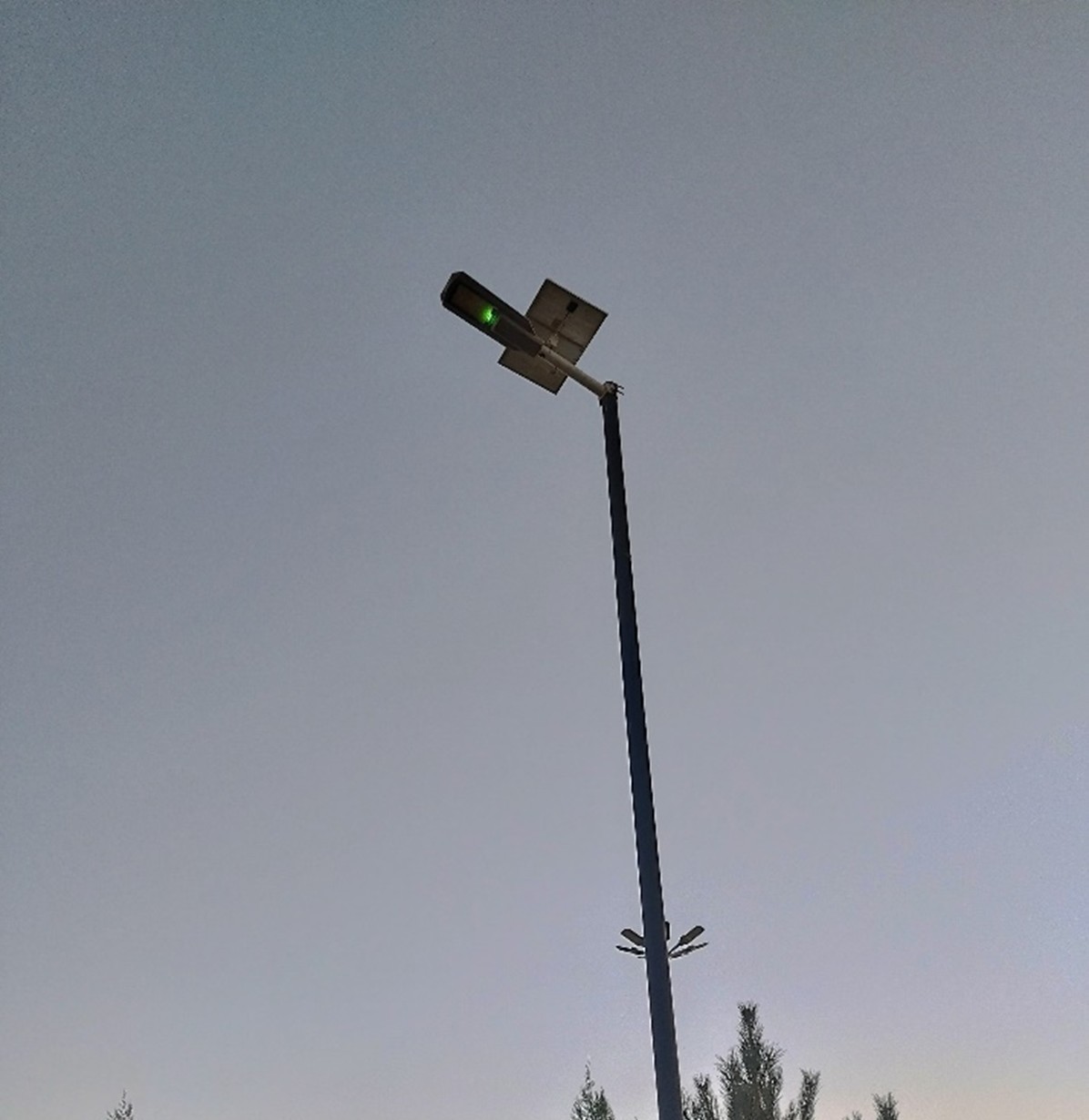
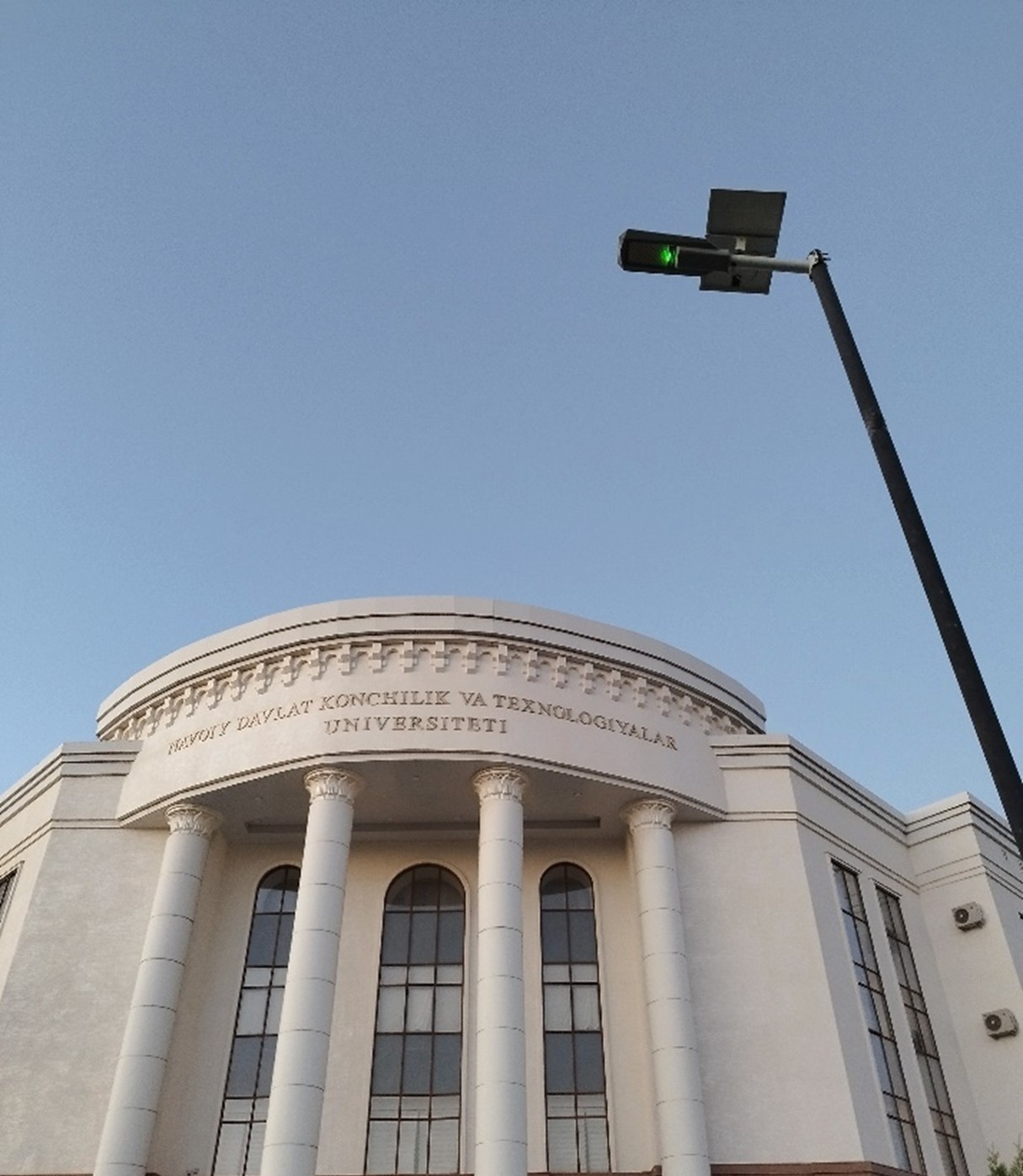
- Solar-powered street lighting implementation across the
university campus to enhance energy efficiency, promote
sustainability, and ensure well-lit, safe pathways for
students and staff during evening and nighttime hours.
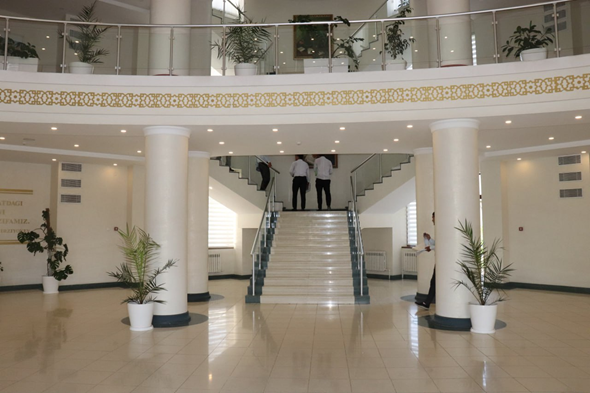
Moreover, in order to further save energy, university
infrastructure was planned in a way to make use of natural
sunlight throughout the day in classrooms and in dormitory
rooms. On the other hand, university has its own
energy-supplying sources: solar panels and wind mills to
generate electricity which can cover the university’s needs
wholly.